
The ADHD Toolkit: Finding the Treatment That Works (Medication, Therapy & More)
When you or your child gets an ADHD diagnosis, the next question is usually: “Okay, so how do we fix it?”
First, a gentle reminder: You don’t need to be fixed. You are not broken. But you do need tools to help you navigate a world that wasn’t built for your brain.
Treatment for ADHD isn’t about suppressing who you are; it’s about reducing the friction in your life. The most effective approach is what experts call “Multimodal Treatment”—which is just a fancy way of saying “attacking the problem from all sides.”
Here are the three main tools in the kit.
1. Medication (The “Glasses” Analogy)
This is the most controversial tool, but often the most effective.
There is a lot of stigma around stimulants. People worry about “zombie kids” or addiction.
The Reality:
Think of ADHD medication like a pair of glasses.
- If you have poor eyesight, squinting harder won’t help you read the board. You need lenses to bring the world into focus.
- Medication increases the neurotransmitters (dopamine and norepinephrine) in the brain, helping the “brakes” and “filters” work properly.
It doesn’t teach you skills—pills don’t teach algebra or organization—but it creates the focus required to learn those skills. For many, it is the foundation that makes all other therapies possible.
2. Therapy & Coaching (The Playbook)
If medication is the hardware upgrade, therapy is the software update.
- For Adults (CBT): Cognitive Behavioral Therapy is the gold standard. It doesn’t just ask “How does that make you feel?”; it asks “How do we stop you from losing your keys?” It helps you challenge the internal shame (“I’m lazy”) and build practical systems for time management and emotional regulation.
- For Kids (Behavioral Therapy): This focuses on rewarding positive behaviors and managing specific struggles (like social skills). It helps them learn to pause before acting.
3. Parent Training (The Environment)
For children, this is arguably more important than individual therapy.
You cannot expect a 7-year-old to manage their own neurobiology. The parents have to be the external frontal lobe.
Parent Management Training (PMT) teaches you:
- The “Reward vs. Punishment” Ratio: ADHD brains do not learn well from punishment. They thrive on immediate, specific praise.
- Instruction Style: Learning to give one command at a time (“Put on your shoes”) rather than a chain (“Go upstairs, get dressed, brush your teeth”).
- Emotional Co-regulation: Learning how to stay calm when your child is melting down, because your calm is contagious.
4. Lifestyle & Sensory Support (The Foundation)
You can take all the meds in the world, but if you are sleep-deprived and wearing an itchy sweater, you will still struggle.
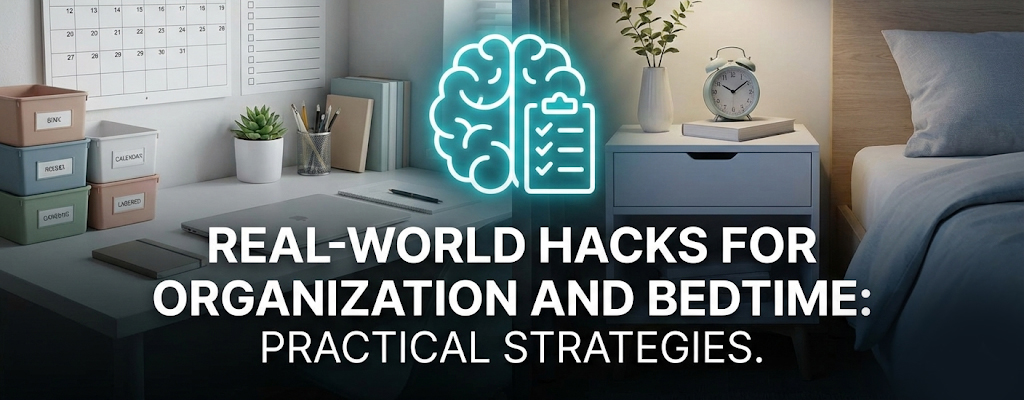
- Sleep: ADHD brains need rest to function, but often fight sleep. Prioritizing sleep hygiene is a legitimate medical treatment.
- Sensory Regulation: Reducing the “noise” helps the brain focus.
- Visual: Decluttering your workspace.
- Tactile: Wearing sensory-friendly clothing (like our Spectrum Threadz collection) to stop the “clothing rage” that drains your battery.
- Exercise: Cardio acts as “nature’s Ritalin,” releasing dopamine and burning off the excess physical energy that turns into anxiety.
The Bottom Line
There is no “One Ring to Rule Them All.”
Some people thrive on medication alone. Some use only coaching and exercise. Most use a mix.
The best treatment is the one that helps you—or your child—feel capable, confident, and in control.